Introduction
Low Voltage Distribution Cabinets play a critical role in electrical systems. They help manage the distribution of electricity in a safe manner. However, many users overlook their maintenance. This oversight can lead to issues such as electrical failures and safety hazards. Understanding the operation of these cabinets is key. Efficient maintenance practices can prevent costly repairs and downtime. Whether in homes or industries, the reliability of low voltage systems is essential. Adopting best practices significantly improves system performance. 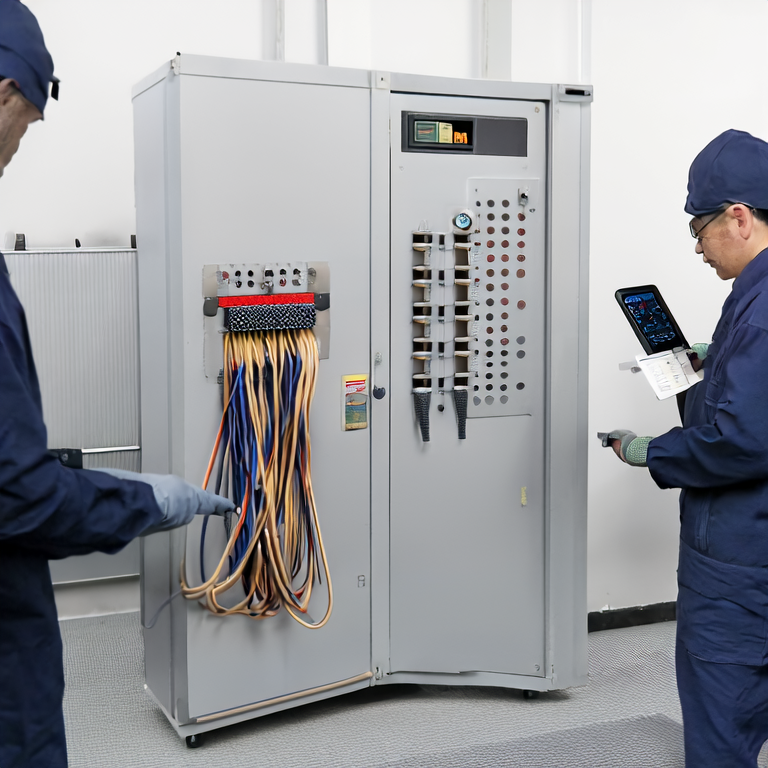
Summary Answer
**Operation and maintenance best practices for low voltage distribution cabinets include regular inspections, cleaning, and timely repairs. To ensure safety and reliability, follow manufacturer guidelines and safety protocols.**
Best Practices for Low Voltage Distribution Cabinets
1. **Regular Inspection**
Visual and Functional Checks
Regular visual inspections ensure that all components are intact. Look for signs of wear or damage. Functional tests also confirm that the cabinet operates as intended.
2. **Cleaning and Maintenance**
Eliminating Dust and Debris
Keeping cabinets clean prevents overheating. Dust and debris can block airflow. Schedule regular cleaning to maintain efficiency.
3. **Thermal Imaging**
Identifying Hotspots
Use thermal imaging to detect hotspots in the wiring or connections. This method allows for early intervention before failures occur.
4. **Labeling and Documentation**
Clear Labels and Records
Labeling connections helps in identifying circuits quickly. Documentation of maintenance activities provides a clear history for future reference.
5. **Circuit Testing**
Regular Testing of Circuits
Perform tests under various loads. This ensures circuits are functioning correctly and within safe limits.
6. **Training Personnel**
Educating Staff on Usage
Ensure that all personnel are trained in cabinet operation and safety procedures. This minimizes operational risks.
Conclusion
In conclusion, understanding the operation and maintenance best practices for low voltage distribution cabinets is crucial for safety and efficiency. Regular inspections, cleaning, and documentation are vital tasks. By following these practices, users can enhance the cabinet's longevity and reliability. Investing time in maintaining your electrical systems pays off in reduced risks and better performance.
FAQ
1. **What is a low voltage distribution cabinet?**
A low voltage distribution cabinet is used to distribute electricity safely within a system.
2. **Why is inspection important?**
Regular inspection helps identify potential issues early before they become costly problems.
3. **How often should maintenance be performed?**
It is recommended to conduct maintenance at least quarterly or as specified by the manufacturer.
4. **Can I clean the cabinet myself?**
Yes, but ensure that safety protocols are followed and power is turned off before any cleaning.
5. **What tools do I need for maintenance?**
Basic tools like screwdrivers, a multimeter, and cleaning supplies are often sufficient.


 Schneider Authorized Low Voltage Switchgear
  Low Voltage Switchgear & Distribution Panels
  Medium Voltage Switchgear & Distribution Panels
  Prefabricated Substation
  Transformers


